
Free OnlyFans Discovery: How Lists Surface Pages
Finding free OnlyFans pages is less obvious than it sounds because the platform does not offer a public search tool. There is no built-in directory, no category browser and no recommendation feed that a visitor can scroll without already knowing which account to open. Discovery therefore happens outside the platform, and ranking pages have grown to fill that gap.

This article explains the routes by which zero-dollar pages reach browsing subscribers, how curators decide what to include, and what a reader should verify before following or subscribing. It deals only with publicly visible details such as stated prices, posting activity and media counts.
Why There Is No Native Search
OnlyFans was built as a subscription tool rather than a discovery network. A creator shares a link, and the audience arrives from somewhere else. That design choice keeps the platform simple, but it also means a new visitor has no way to browse by interest or price.
The absence of a discovery feed pushes the work onto third parties. Aggregator sites, community threads and social posts all collect links and sort them into groups a reader can scan. A ranking service such as BestOnlyFans exists for that reason: it compares public profile prices, promotions, activity and media counts so a visitor can judge several pages side by side.
Because the platform itself gives no ranking, the quality of an external list depends on what its curators choose to record. A list that logs only a name and a link is far less useful than one that logs the subscription price, the posting rhythm and whether the page is currently running a promotion.
| Signal | Clearly useful | Clearly weak |
| Stated price | Listed as $0 with the free status confirmed | Price missing or left blank |
| Last post date | Updated within the past week | No date shown at all |
| Media count | Hundreds of items with a recent addition | A handful of items from years ago |
| Promotion status | Current offer described in plain terms | Expired offer still displayed |
| Category label | Matches the page’s own description | Label unrelated to the profile |
Discovery Channels Compared
Three routes carry most of the traffic toward free pages: curated directories, passing social mentions and cross-promotion between creators. Each route has a different strength and a different weakness, and most readers encounter more than one before they follow anything.
Directories are the most structured because someone has already decided what belongs in each group. Social mentions are the most current but the least organised, since a post can disappear from a timeline within hours. Cross-promotion sits between the two: a creator points at another creator, which gives a warm introduction but no independent verification.
| Route | How it works | Main limitation |
| Curated directory | Editors group pages and record price and activity | Updates depend on the editor’s schedule |
| Social mention | A post or comment links to a page | Old posts stay visible after offers end |
| Creator cross-promotion | One creator recommends another | No neutral check of the recommended page |
A practical tip: if a list shows a price but no date, treat the figure as unverified until the page itself confirms it. Prices change, and a stale list is the most common source of confusion for new subscribers.
How Free Pages Enter a List
A free page sets its subscription price to $0. Instead of earning from subscriptions, it earns from pay-per-view messages and tips. Curators who specialise in zero-dollar pages therefore look at different evidence than they would for a paid page.
Paid pages sit in a range from $4.99 at the minimum to $49.99 at the maximum, with most falling between $4.99 and $15 and an average nearer $5 to $10. There is no base price below $4.99; only a promotional first month may dip under that figure. A list that mixes free and paid entries has to make that distinction visible, or a reader will misread the price.
- The stated subscription price is $0 and the free label is confirmed on the page.
- The profile shows recent posts rather than a single upload from long ago.
- Media counts are published openly and increase over time.
- Pay-per-view activity is mentioned in the profile description.
- The page description matches the category the curator assigned to it.
- No misleading claim suggests that locked content is included free.
Category Pages and Tags
Categories and tags do most of the heavy lifting on any aggregator. A tag narrows a broad list into a smaller set that a reader can finish scanning. A category page groups those tags into a single entry point.
The weakness of tagging is that labels are applied by people, not by the platform. A page can be filed under a heading that no longer fits, and a reader has no automatic way to check. Treating a tag as a hint rather than a guarantee keeps expectations realistic. A practical starting point is bestonlyfans starter list, which lists pages by the signals above.
- Open the category page and read the short description of what it covers.
- Scan the listed pages and note the stated price beside each entry.
- Check the date attached to each entry before trusting it.
- Open two or three profiles to confirm the tag still applies.
- Note which pages repeat across several related tags.
- Record the handful worth a second look and ignore the rest.
Signals of a Maintained List
A list is only as good as its maintenance. Pages change their prices, stop posting or switch between free and paid status, and a directory that never updates will slowly fill with stale entries.
Freshness is usually visible in small details. Recent additions, updated timestamps and a visible note about removals all suggest that someone is still working on the page. A directory with none of these markers may still be useful, but its entries deserve more checking before a reader acts on them.
- New entries appear on a predictable schedule.
- Timestamps sit next to individual listings, not just the home page.
- Removed pages are noted rather than quietly left in place.
- Prices reflect current offers rather than expired ones.
- Category counts change as pages are added or dropped.
Following From a List Safely
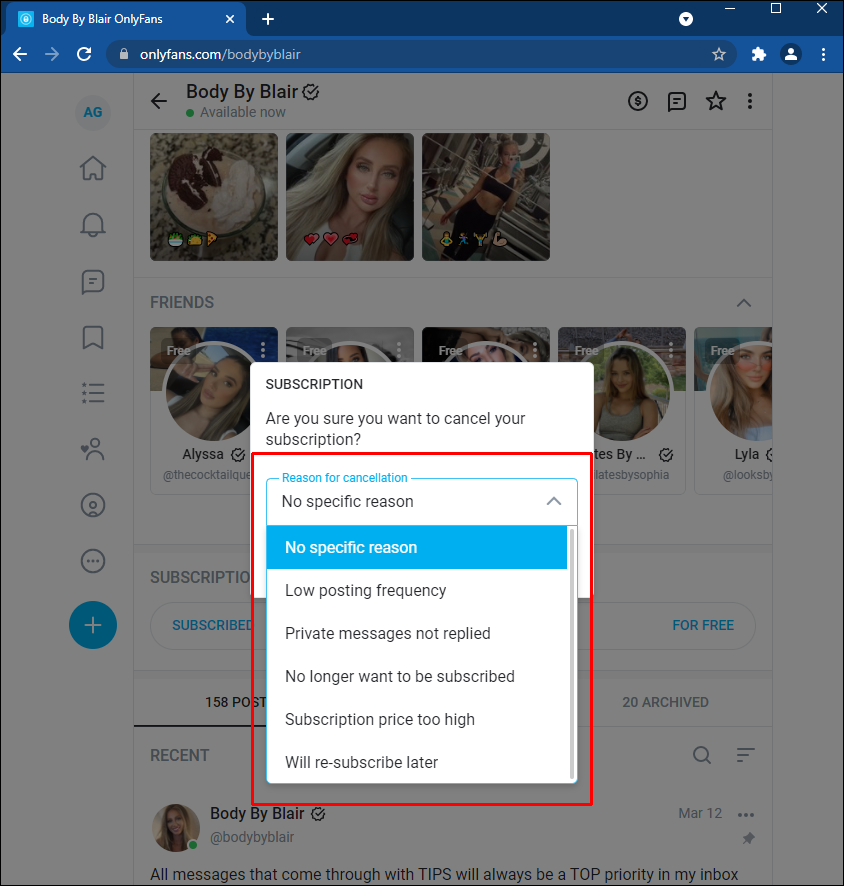
Following a page is not the same as subscribing, and the distinction matters. A follow signals interest and may deliver notifications, while a subscription involves a price. Free pages charge nothing to subscribe, but they still carry costs once pay-per-view messages arrive.
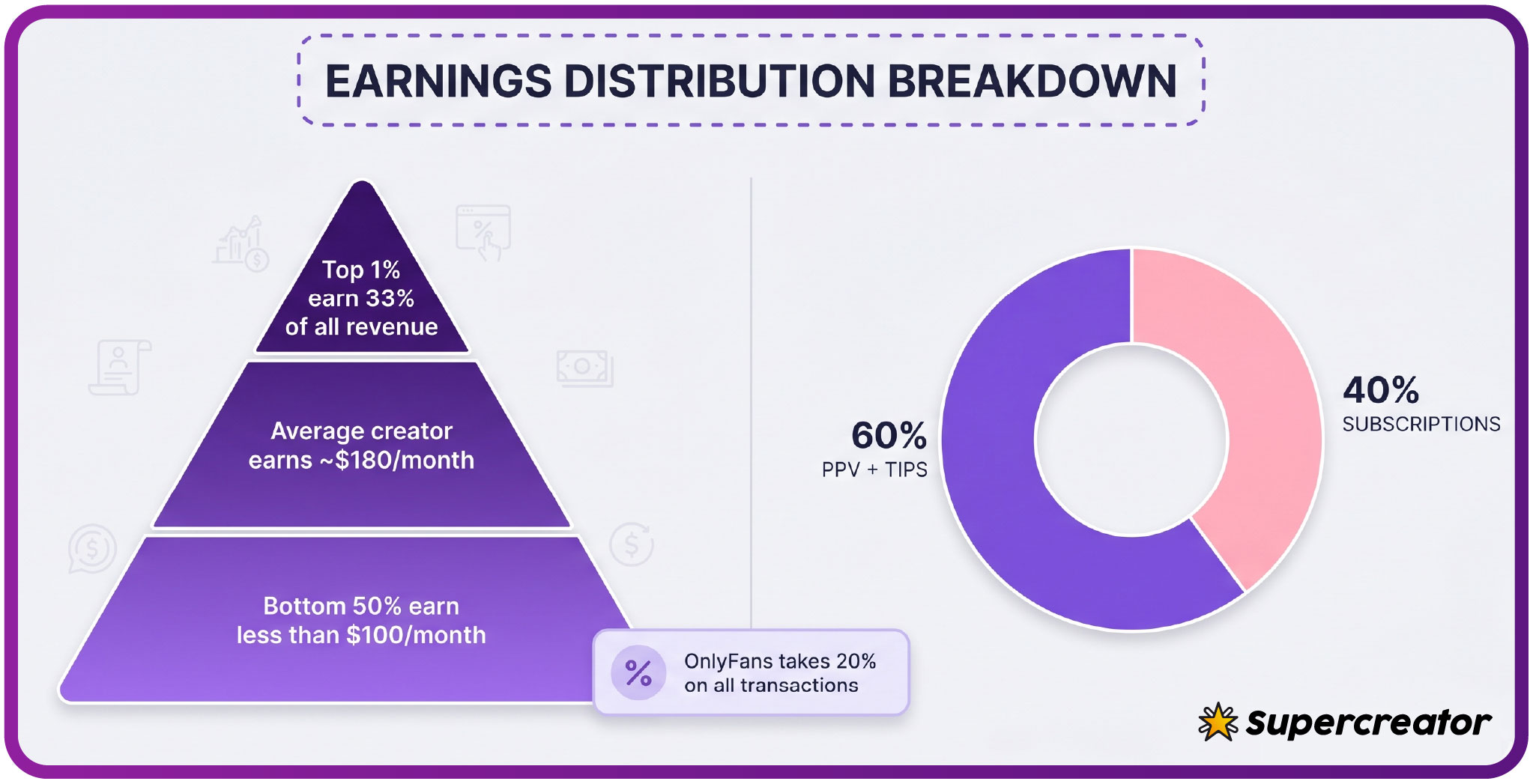
Before following, confirm that the page is genuinely active and that the description matches what the list claimed. After subscribing, remember that the platform keeps 20% of everything spent on subscriptions, tips and pay-per-view messages, and the creator receives the remaining 80%. That split applies to free pages too, because their income comes from messages and tips rather than from a monthly fee.
- Month one: subscription at $0, with optional tips or pay-per-view purchases.
- Month two: no renewal charge unless the page later changes its price.
- Price change: auto-renew stops, and existing access runs to the end of the paid period.
- Promotional month: a first month may fall below $4.99, then return to the standard figure.
- Paid page comparison: typical subscriptions sit between $5 and $10 per month.
A push notification from the app is the quickest warning that a renewal is due.
Cross-Checking Before You Commit
A listing is a summary, and a summary can drift from the source. Cross-checking means opening the profile and comparing what it says against what the list recorded. The comparison takes a minute and prevents most disappointments.
Pay closest attention to price, activity and the free label. If a directory reports a zero-dollar page and the profile shows a paid tier, the listing is out of date. If the last post predates the listing, the activity claim is questionable. Random profile comparisons across a full directory are not realistic, so focus on the entries you actually intend to follow.
The same discipline applies to any ranking resource, whether it is a small blog or a larger comparison service such as the BestOnlyFans directory. A second opinion helps, but the profile itself remains the authority on price and activity.
- Assuming a promotional price is permanent when it is only a first-month offer.
- Trusting a listing date that was never shown in the first place.
- Ignoring the difference between a follow and a paid subscription.
- Overlooking pay-per-view costs because the subscription itself is free.
- Following a page whose last post is months old.
- Treating a category tag as a verified description of the page.
Readers who want a starting point can consult a curated bestonlyfans starter list and then verify each entry against the profile itself. That order matters: the list narrows the field, and the profile confirms the details.
BestOnlyFans refreshes its rankings every month.
FAQ
Why can’t I search for free pages inside OnlyFans?
The platform has no built-in discovery feed or public directory, so browsing happens through external lists, social posts and creator recommendations instead.
Does a free subscription ever cost anything?
The subscription price is $0, but a page can still earn through pay-per-view messages and tips, so optional spending is possible after you follow.
What happens if a free page later adds a price?
Auto-renew stops when the price changes, and any access already paid for continues until the current paid period ends.
How much does the platform take from each payment?
OnlyFans keeps 20% of subscriptions, tips and pay-per-view payments, and the creator receives the remaining 80%.